Motobites owns its kitchens, its food and its customer, and pays no aggregator commission on a single order. The app it ships today says none of that.
Nigeria's delivery apps take 15 to 30 percent to sell someone else's food. Motobites owns the kitchen.
Source: BusinessDay, 2026
Sujimoto sells Ikoyi and Banana Island to people who have seen everything: LucreziaBySujimoto at $52m, delivered, and LeonardoBySujimoto at $85m on the Banana Island waterfront. In June 2026 the group announced Sujimoto Foods, targeting roughly one million tonnes of annual capacity across the food value chain with Cotco Food Machinery. Motobites is the consumer-facing front end of that ambition, the one place a customer actually touches Sujimoto Foods every day.
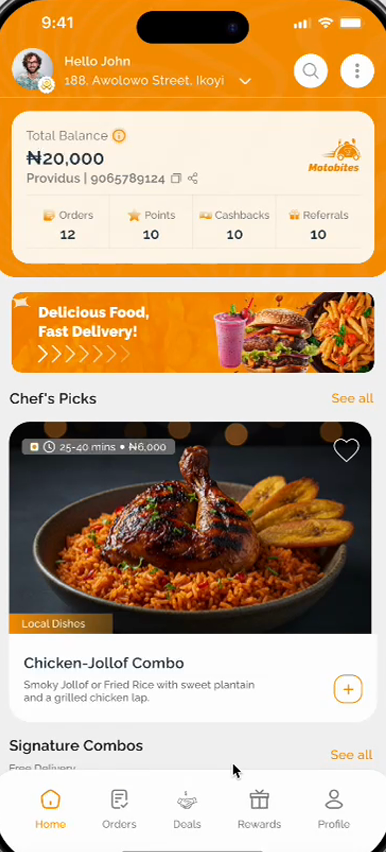
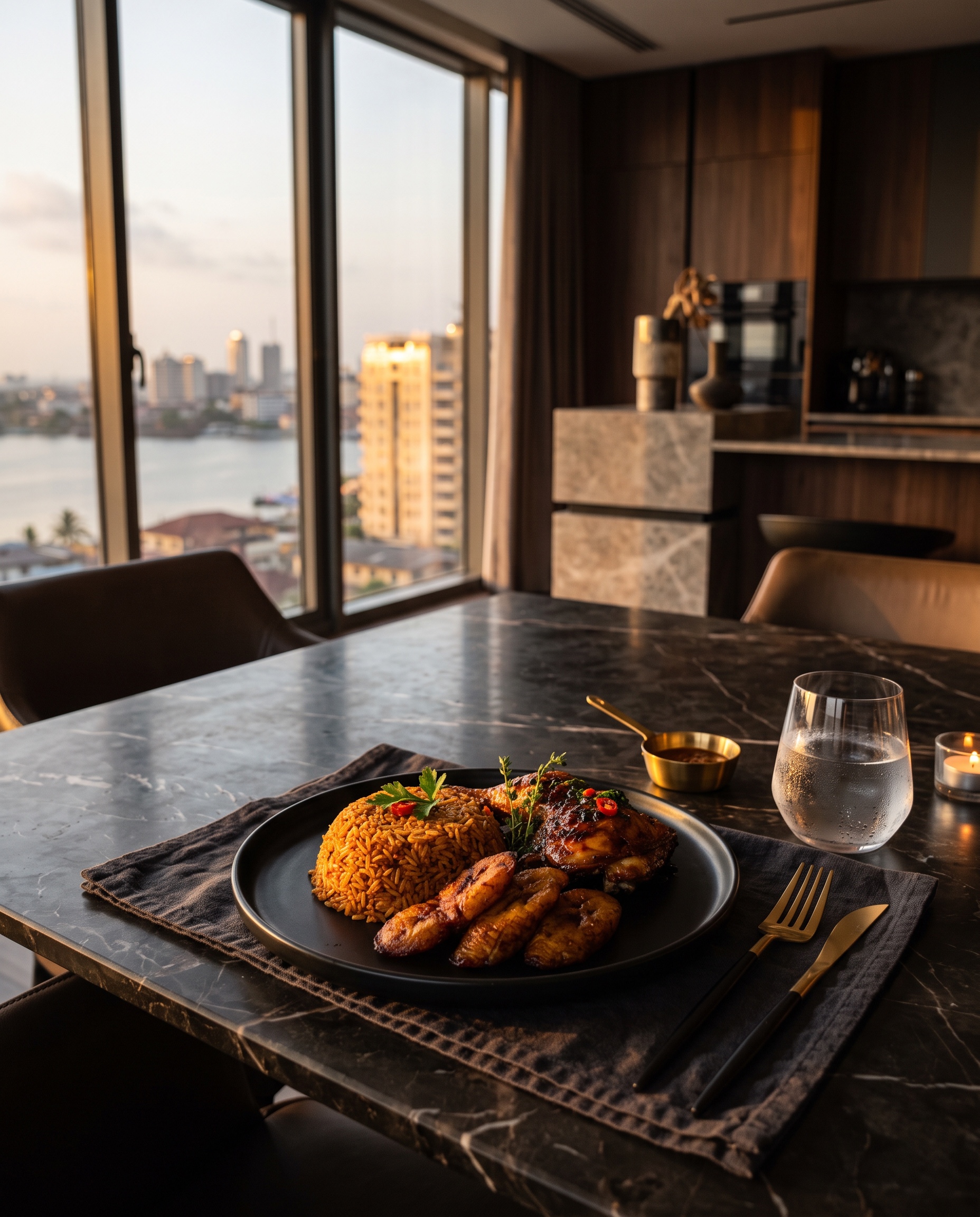
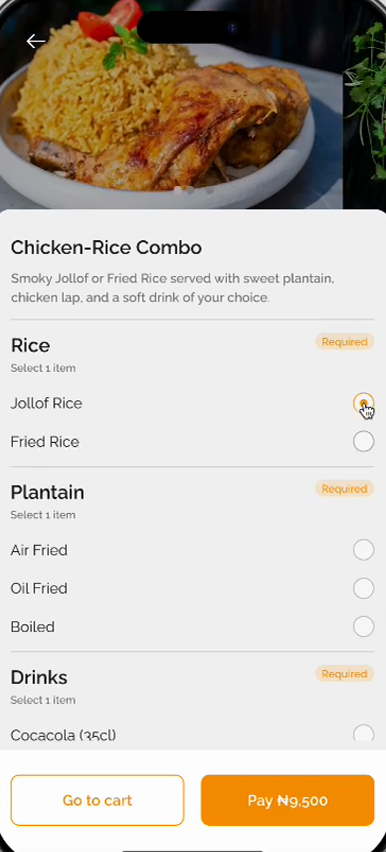
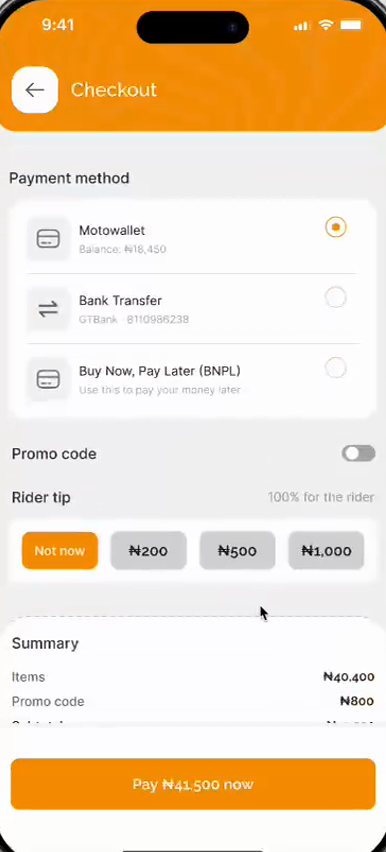
And right now it does not look like a Sujimoto product. A brand that sells eighty-five-million-dollar apartments is shipping an app that reads like an off-the-shelf template. The hard part is already built: a wallet, a credit product, referrals, multi-kitchen carts, handover codes, per-kitchen ratings. What is missing is the presentation layer that makes any of it feel like it belongs to the group that built the tower.
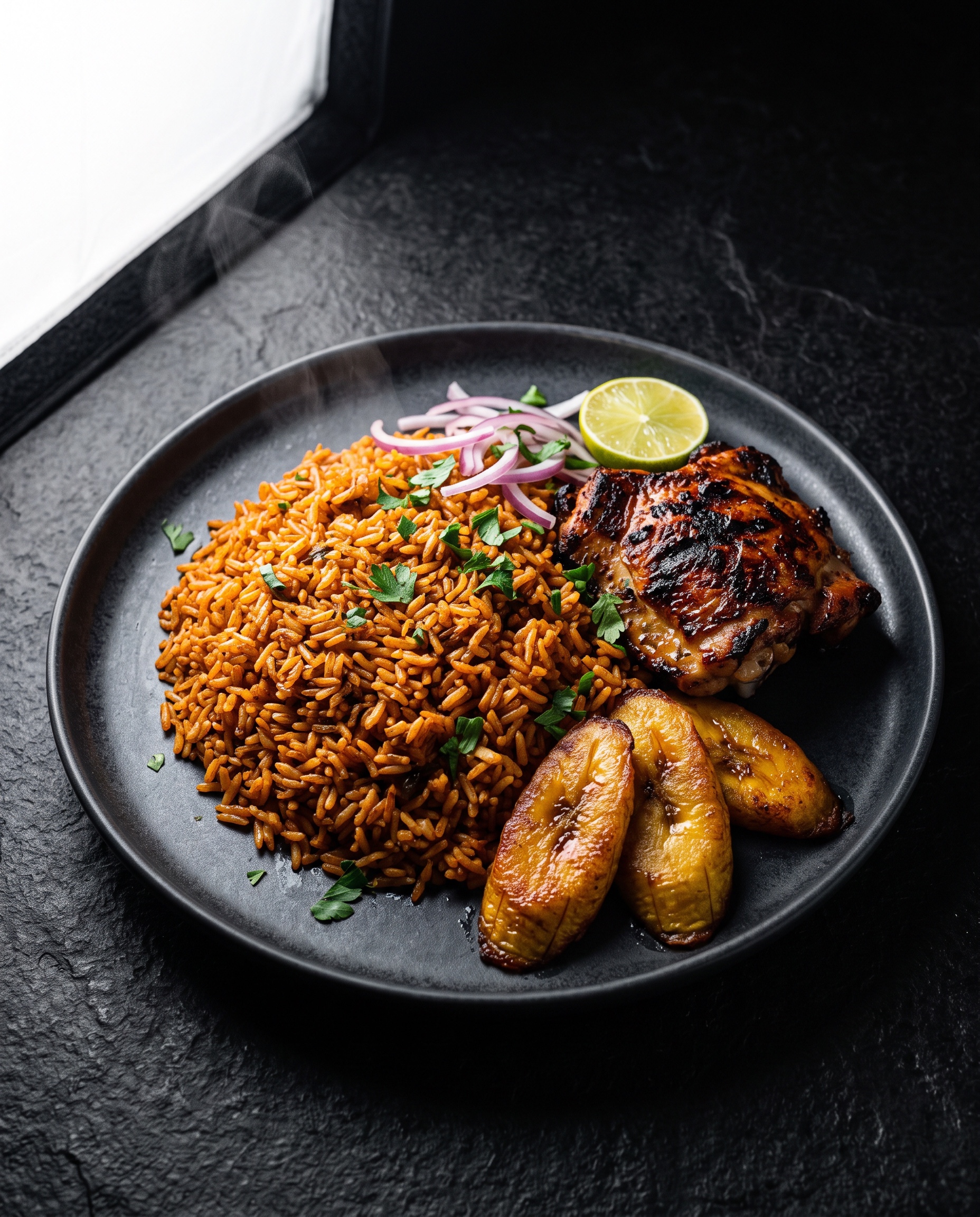
Same kitchen. New appetite.
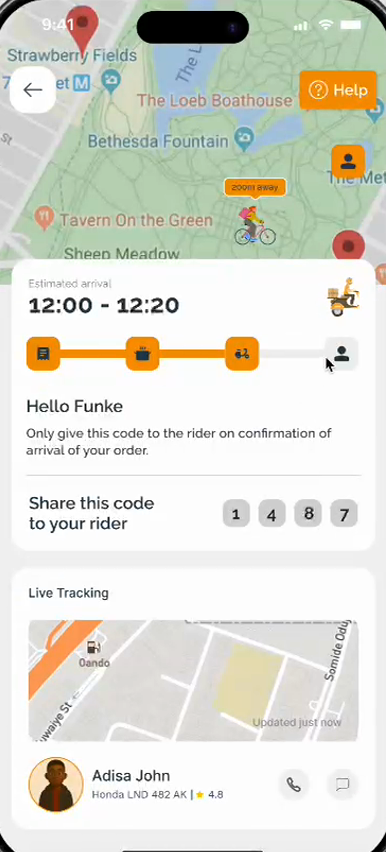
Before writing a word of this, we went through Motobites end to end: splash to onboarding, sign-up to home, dish detail to checkout, Paystack to the rider's door, and the ratings screen after. Four screens tell the whole story. On each one, what is already working and what is holding it back.
Screens captured from the live Motobites build


Nothing on these four screens needs to be invented.
It needs to be re-presented.
Two of Nigeria's best-funded delivery names left this market in a single month. The survivors are marketplaces: they broker other people's food and take a cut. Motobites is the only serious player in Lagos that owns the kitchen, the food, the brand and the customer at the same time. That is a structural position, not a marketing claim.
| Chowdeck | Raised $9m Series A led by Novastar with Y Combinator in August 2025; 1.5m+ customers, 20,000+ riders, 11 cities across Nigeria and Ghana, profitable, and past 2m registered users by December 2025. Take rate 24%. The weakness is structural: it is a marketplace. It owns no kitchen and no food, so quality and margin always belong to someone else. | Active |
| Glovo | Glovo is not going anywhere. Nigeria was its fastest-growing market in 2025, with 38m items delivered, ₦37bn (about $27m) invested since 2021 and four Nigerian cities live. The weakness is a global playbook run locally, with thin ownership of the menu itself. | Active |
| Jumia Food | Shut down Nigeria and six other markets in December 2023. It was 11% of Jumia's GMV and never profitable. Scale on someone else's margin is not a business. | Exited |
| Bolt Food | Exited Nigeria in December 2023 after roughly two years and refocused on ride-hailing. Distribution alone was not enough to hold the category. | Exited |
| FoodCourt | The closest analogue to Motobites and the most instructive: Y Combinator-backed, owned its own brands and kitchens, raised $1.7m, peaked at $4.3m ARR across 16 concepts. Paused operations across March and April 2026 over unpaid wages. It did not run out of demand. It ran out of runway. | Paused |
| Motobites | Owns the kitchens, the food, the brand and the balance sheet. Pays no aggregator commission on a single order. Backed by a group that builds $85m towers, not by a seed round with a clock on it. The model is already right. The product has to say so. | You |
Vertical integration has not failed in Lagos because the model is wrong.
It failed because the operators ran out of other people's money.
Sujimoto is not raising a seed round.
Motobites is not one app. It is a customer app, a rider app, a kitchen console and an operations layer that all have to agree with each other. We build them as one system, on one design language, with one team accountable for the whole.

A full redesign and rebuild on iOS and Android. Every feature you already have, presented like it belongs to Sujimoto, with a checkout engineered against the single biggest leak in the funnel.

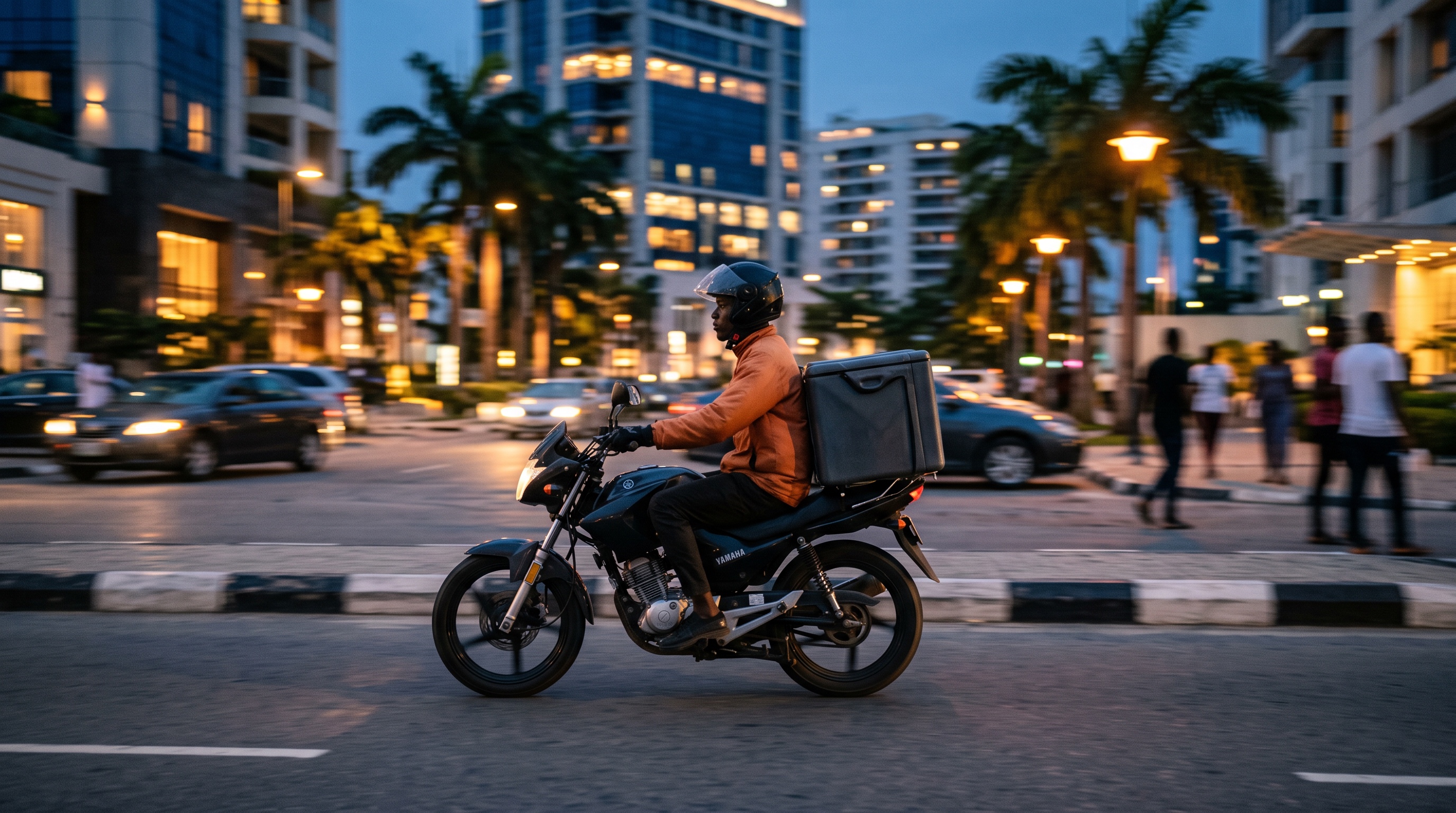
The ETA window a customer sees is only as honest as the tool in the rider's hand. This is the app that keeps the promise on the tracking screen.

Because you own the kitchens, you can control the thing aggregators never can: what happens between the order and the bag. This is where that control lives.

One screen the group can run Motobites from. Every kitchen, every rider, every order and every naira of promo spend, in one place, in real time.
Four stages, each ending in something you can open, click and approve. No stage closes on a status update. Every one closes on a deliverable, and you see the design before a line of final code is written.
A development shop hands you a build and an invoice for a marketing agency. We amplify what we build. The launch campaign, the store creative and the measurement are part of the same brief, run by the same team that knows why every screen was made the way it was.
Prepared for Dr. Sijibomi Ogundele, Group Managing Director, Sujimoto Group.